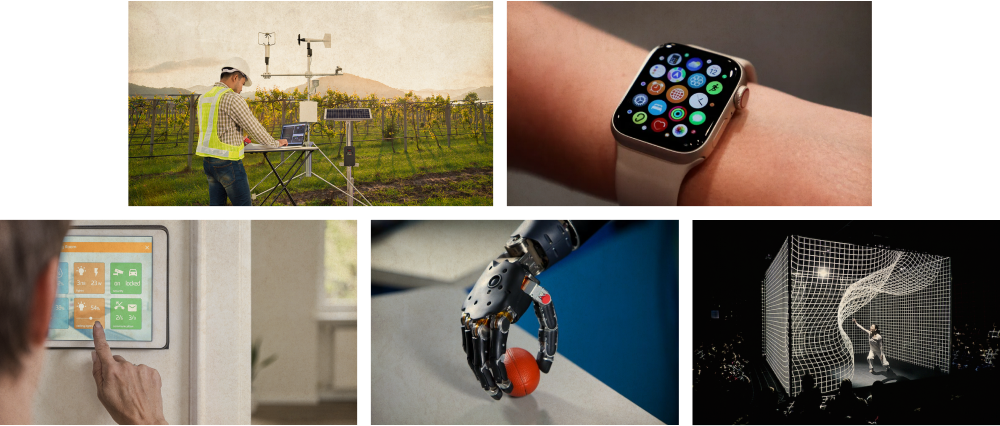
Unseen but ever-present, Physical Computing has forever transformed our lives, merging technology with everyday experiences.
- Smart Home Systems: Physical computing technologies enable us to control various aspects of our homes, such as lighting, temperature, security systems, and appliances, through interconnected devices and sensors.
- Wearable Technology: From fitness trackers to smartwatches, wearable devices utilize physical computing to monitor and collect data on our health, activity levels, and provide us with real-time information.
- Interactive Art Installations: Artists and designers use physical computing to create immersive and interactive art installations, combining traditional artistic elements with technology to engage and captivate audiences.
- Environmental Monitoring: Physical computing helps monitor environmental factors such as air quality, water quality, temperature, and pollution levels, enabling us to gather data and make informed decisions for a sustainable future.
- Assistive Technologies: Physical computing contributes to the development of assistive technologies for individuals with disabilities, enhancing their quality of life through devices like prosthetics, sensory aids, and communication systems.
